THE STUDY
Four toys or sixteen
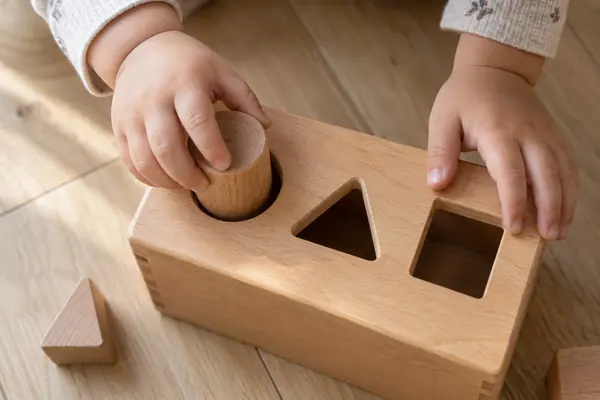
Researchers filmed 36 toddlers aged 18 to 30 months in two 15-minute play sessions, once with four toys and once with sixteen.
Compare the rooms toydoodles
WHAT THE RESEARCH SAYS
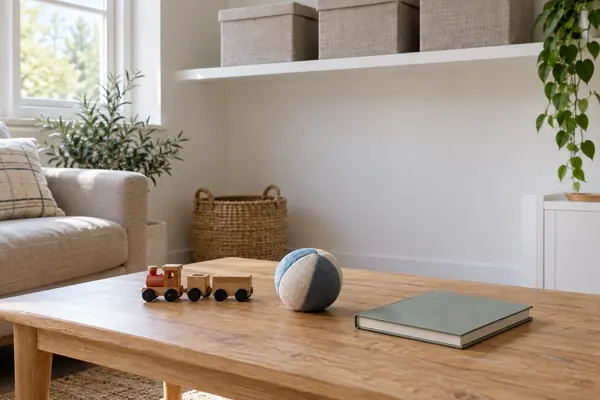
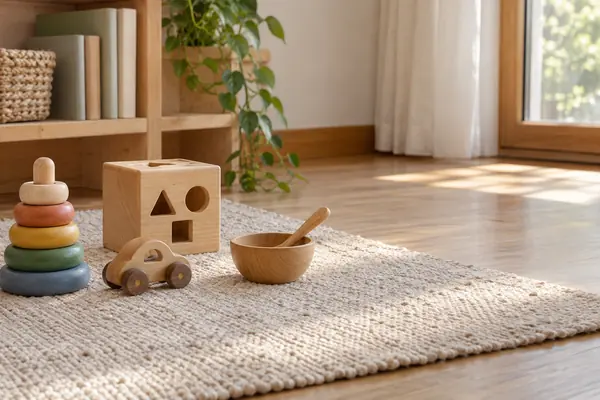
A room full of toys can be a room full of distractions.
Compare the rooms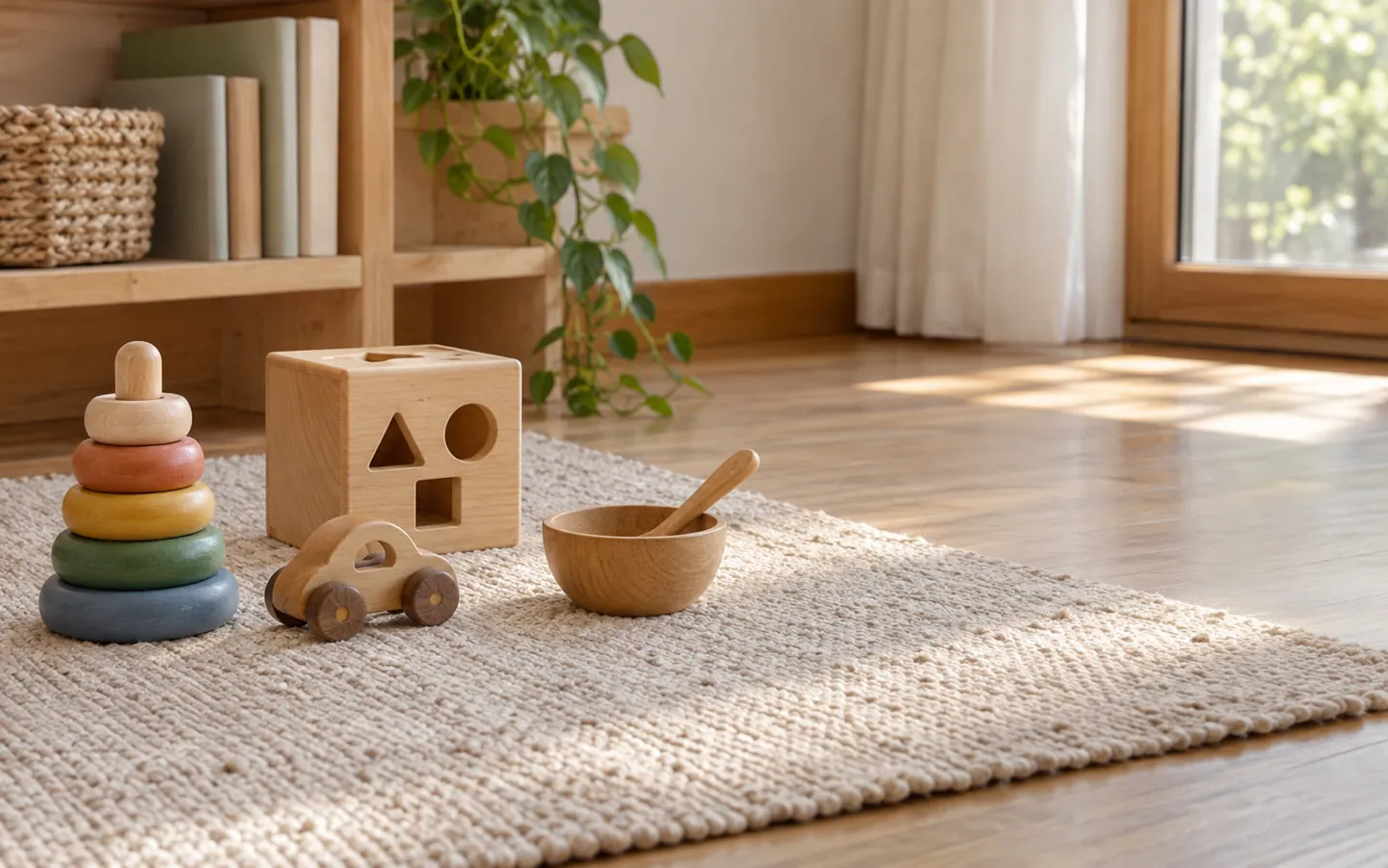
SWAP THEMa few at a time
In a University of Toledo study, toddlers given just four toys played with each one for longer and in more ways than when sixteen were on offer. The researchers' tip was simple: put some away and swap them round.
At a glance
2× longer
How much longer toddlers played with each toy when fewer were available
The lead investigator, an associate professor of occupational therapy, said toddlers played twice as long with the toys they had, and in more sophisticated ways.
TIME · UNIVERSITY OF TOLEDO
≈ 60%
More different ways of playing with each toy
With four toys, children came up with about 60 per cent more ways of interacting with each one, such as pretending, inserting and stacking.
VARIETY · BPS RESEARCH DIGEST
TWO NUMBERS WORTH KNOWING
One figure on how long children played,
one on how many ways they found to play.
A caution from BPS Research Digest: the toys did not belong to the children, and unfamiliar toys are more exciting and distracting than familiar ones.
A QUICK COMPARISON
Pick a set-up to see what the research reported. The bar shows how focused and varied the play was, or might be, in that setting.
Based on the University of Toledo study (Infant Behavior and Development, 2018) as reported by UToledo News and BPS Research Digest.
THE SHORT ANSWER
One small lab study points one way.
Toddlers dug deeper when there was less to choose from.
THE STUDY
Researchers filmed 36 toddlers aged 18 to 30 months in two 15-minute play sessions, once with four toys and once with sixteen.
Compare the roomsTHE RESULT
With fewer toys, play bouts lasted about two minutes instead of one, and children found more ways to use each toy.
See the numbersAT HOME
The lead researcher's advice: you do not need to introduce every toy at once. Save some for later and swap them out.
Try a rotation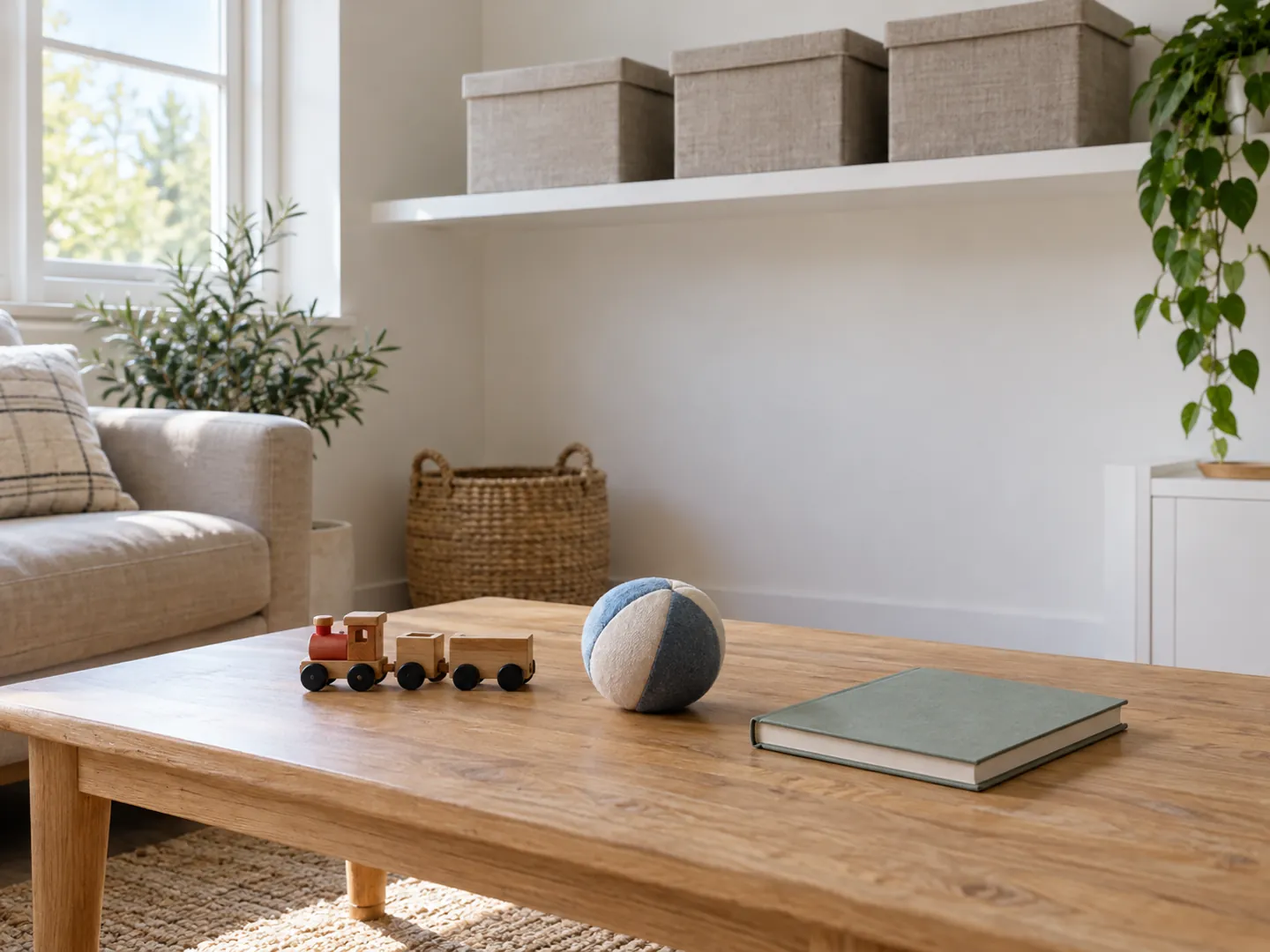
FOUR WAYS TO TRY IT
None of this means buying fewer presents or getting rid of favourites. It is about how many toys are out at once.
In the study, four toys were enough for longer, more varied play.
BPS Research Digest suggests keeping most toys stored away and bringing a few out at a time, on rotation.
Bring a stored toy back and put another away, as the lead researcher suggested.
The NHS says your child will learn more from you than from any toy, and everyday household items work too.
PLAY ON A BUDGET
The NHS says play does not need to be difficult or expensive. It suggests water play with plastic bottles and a colander, sock puppets, dressing up with old clothes, and junk modelling with boxes and yoghurt pots.
The researchers made the same point: families who cannot buy dozens of toys are not depriving their children of an opportunity for meaningful play.
Questions
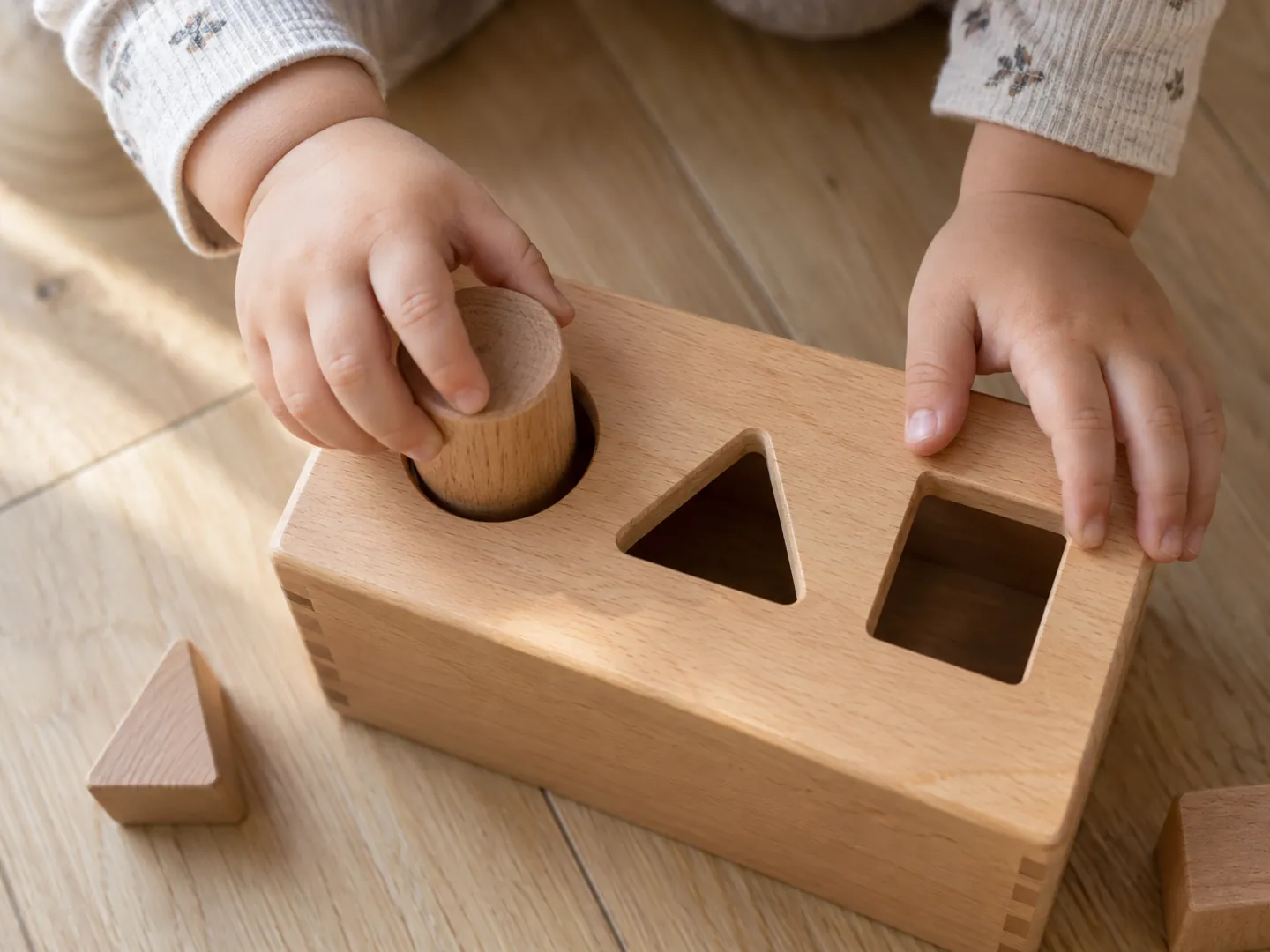
Two set-ups: four toys, one from each of four types, and sixteen toys, four of each type. The types were educational, pretend, action toys and vehicles, according to BPS Research Digest.
The University of Toledo team studied 36 toddlers aged 18 to 30 months, each visiting the playroom lab twice.
Not necessarily. The lead researcher's advice was that you do not need to introduce them all at once: save some for later and swap them out.
Yes. It was a small lab study with 15-minute sessions, and BPS Research Digest notes the toys did not belong to the children, so unfamiliar toys may have been extra distracting.
The NHS says play does not need to be difficult or expensive, that you can use things already in the house, and that your child will learn more from you than from any toy.
Sources
ABOUT THIS NAME
toydoodles.com is part of the DoodleSale portfolio. It isn't in an auction right now, but you can ask about leasing it.